About us
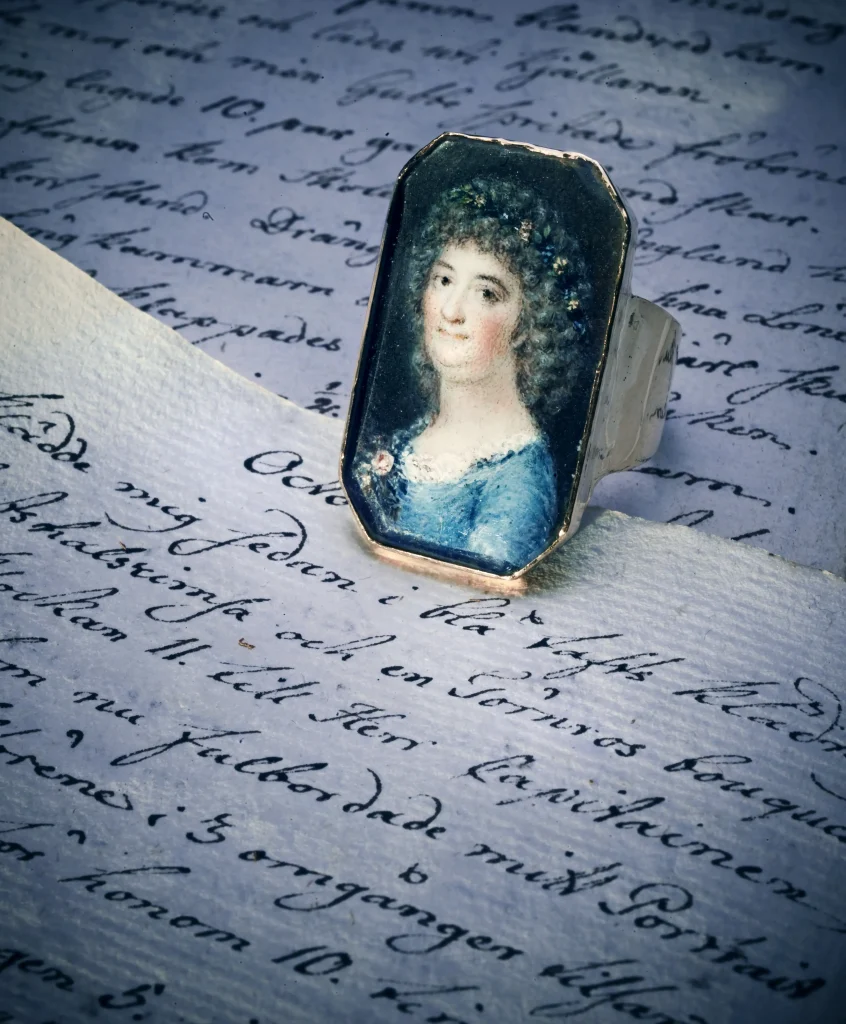
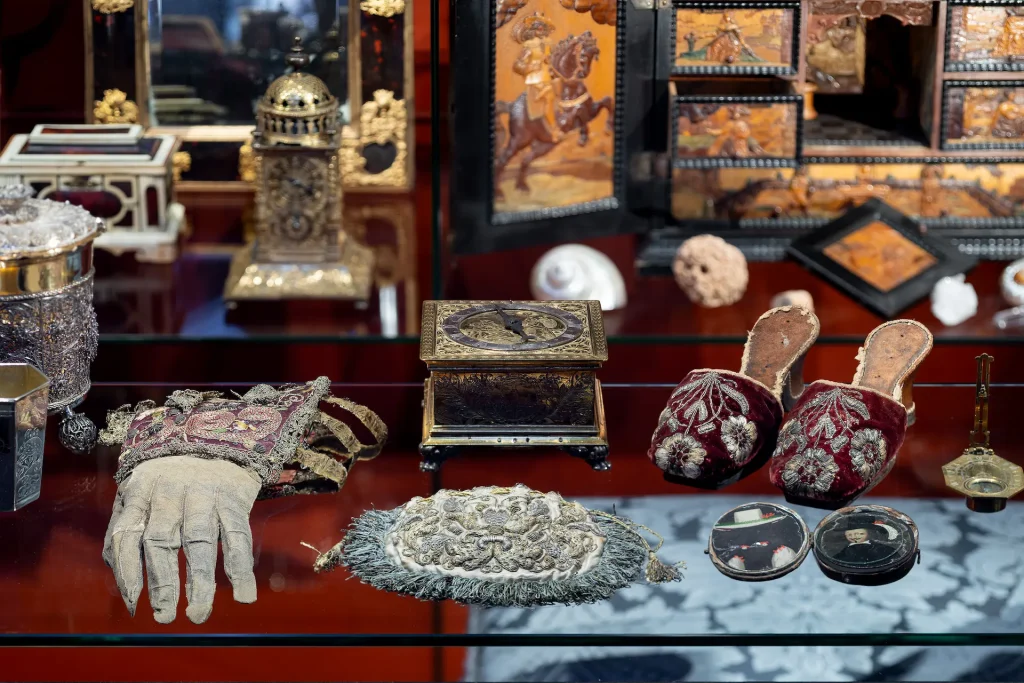
Nordiska museet is Sweden’s largest museum of cultural history and stories about the life and people of the Nordic region. It is home to over one and a half million objects.
Nordiska museet archives contain documents from societies, companies, and private individuals, as well as letters, diaries, memoirs and other accounts and anecdotes – covering more than 4,500 metres of shelf space in all.
The museum’s Photography Collection comprise approximately six million photographs, while the library holds more than 250,000 books and journals, as well as brochures, maps and product catalogues.
The library and archive on the ground floor is the museum’s meeting place for cultural history. Visitors can come here and take a closer look at the collections in beautiful and peaceful surroundings. This is where you will find an office for dealing with all kinds of questions, and where you can also study archived material and search the databases for exhibition themes and objects.
Only a fraction of the collections is displayed in the exhibitions, but many items can be accessed by other means. New media and expert staff are helping to open up the museum for the visitors of today.
The museum building
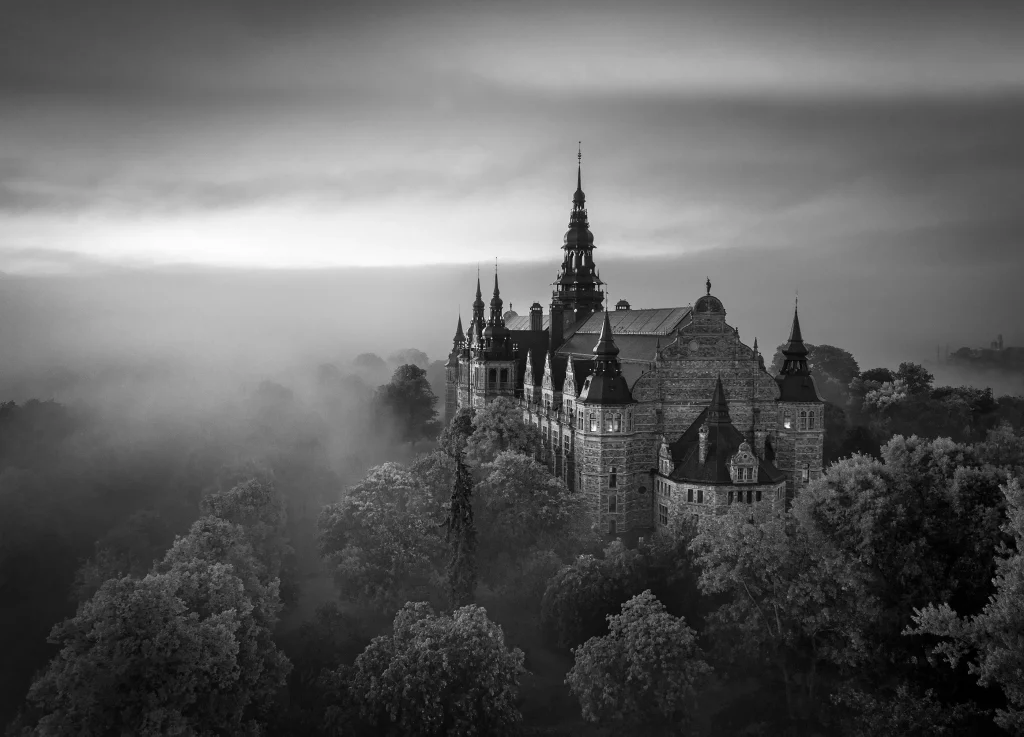
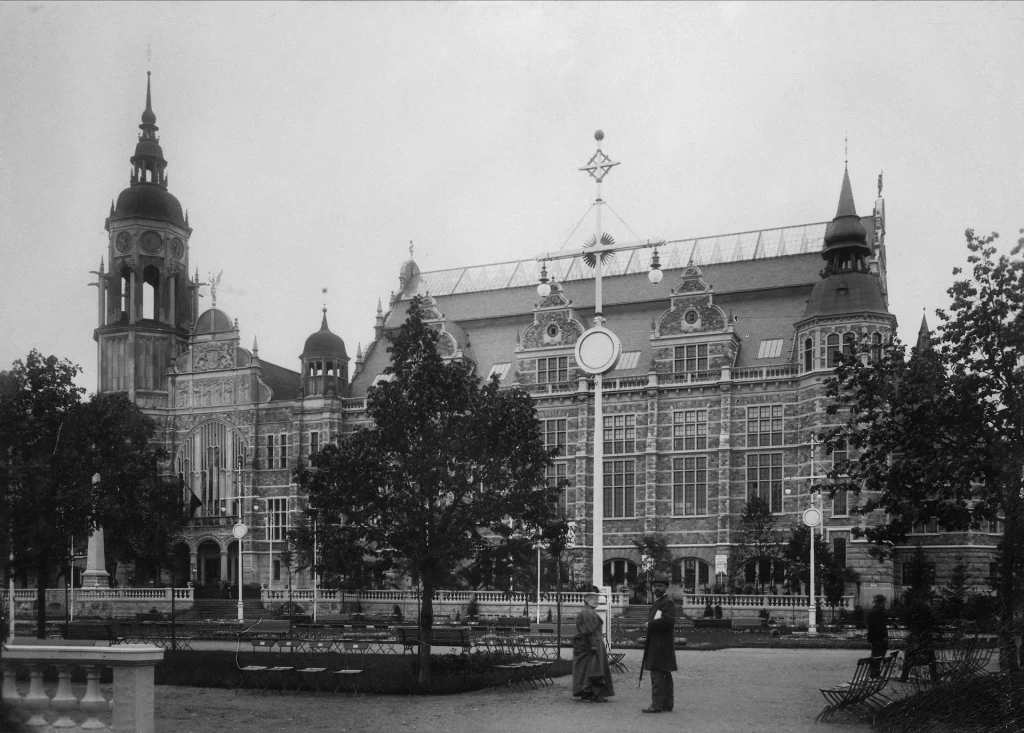
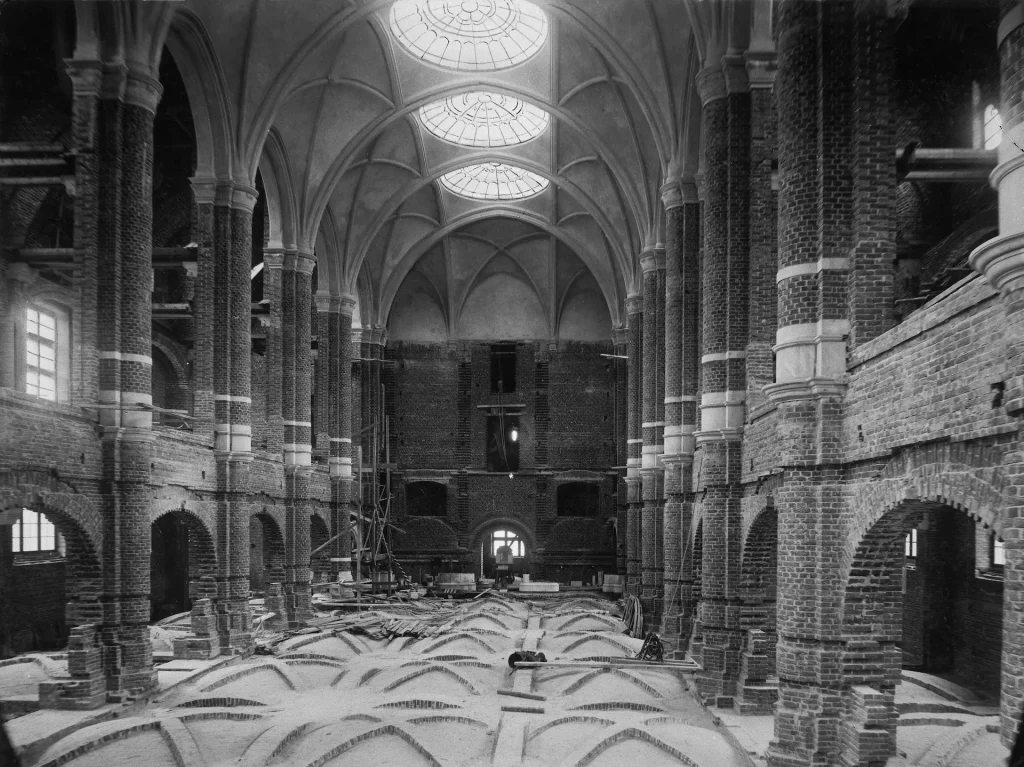
The museum was founded in 1873 by Artur Hazelius. The iconic building on Royal Djurgården island – a sight in itself – was designed in Renaissance style by Isak Gustaf Clason, and opened in 1907. The heart of the museum is an enormous hall, 126 metres long with a ceiling height of 24 metres. At the centre of the hall is a large oak statue of King Gustav Vasa (1523–1560), designed by the renowned sculptor Carl Milles.
- 1873: The Scandinavian Ethnographic Collection opens its first exhibition in Davidson’s pavilions on Drottninggatan in Stockholm
- 1880: The collection becomes a foundation and is renamed the Nordic Museum
- 1888: The first step towards what would become the Nordic Museum building on Djurgården is taken
- 1891: Hazelius’s second creation, the Skansen open-air museum, opens to the public
- 1897: The General Art and Industry Exposition in Stockholm; the Nordic Museum is not yet complete but displays a temporary section which is demolished once the exhibition closes
- 1901: Artur Hazelius passes away
- 1907: The Nordic Museum on Djurgården opens to the public
- 1925: Carl Milles’s new colossal statue of Gustav Vasa, carved from oak, is installed in the Great Hall and unveiled at two o’clock in the afternoon on 22 May. It replaces his earlier plaster statue of Vasa and marks the museum’s shift to covering the period from 1523 to the present day
- 1928–2016: Contemporary documentation through questionnaires sent to a network of ‘local correspondents’, private individuals across the country
- 1929: Härkeberga chaplain’s house is donated to the foundation by the South-West Uppland Local History Society
- 1930: Tyresö Palace, including the park and surrounding land, is donated to the foundation by Claes Lagergren
- 1932: Electric lighting installed in the Great Hall
- 1938 och 1941: The exhibitions Fishing, The Farmer’s Household and Hunting – considered modern for their time – proved popular, and many were horrified by the realistic scenes depicting a bear and a fox caught in the hunter’s traps
- 1941: The Foundation receives the Julita Manor estate as a gift from its last owner, Arthur Bäckström
- 1945: Collection of workers’ memorabilia from various occupational groups
- 1949: Transfer of the Svindersvik summer retreat to the Nordic Museum Foundation
- 1973: The museum celebrates its centenary with the exhibition 100 Years of Sweden – Know Thyself, a journey through Swedish history beginning in 1873, featuring interiors, a high street, a railway station, a middle-class drawing room and a city-centre studio flat. Many remember the barn with its smell of cows and manure
- 1991: The Children’s playhouse Lekstugan opens. Many people return to Lekstugan as adults to let their own children experience 19th-century country life
- 1997: The exhibition The Dream of the Car, featuring cars, caravans and a petrol station from the 1940s, attracts many men. In front of the entrance, a red Volvo Amazon replaces the statue of King Karl X Gustav
- Från 2015: Digital collection via the website Minnen.se of personal stories, photos, drawings, films and audio recordings
- 2019: The Arctic – as the ice melts. A multi-year research collaboration forms the basis for the exhibition on the lives of the four million people living in the Arctic
- 2020: New entrance from the rear courtyard, artistically designed by the Finnish-Sámi artist Outi Pieski
- 2020: The COVID-19 pandemic results in the Nordic Museum being temporarily closed
- 2020: Digital collection of COVID-19 stories. The Nordic Museum is the first museum in the world to collect people’s reflections on everyday life during the pandemic
- 2020: The Time vault Tidsvalvet, an interactive museum experience for everyone aged 8 and over, opens
- 2023: The Nordic Museum’s 150th anniversary on 24 October
- 2024: The exhibiton Nordbor opens to the public; this permanent core exhibition – the museum’s largest ever – brings its mission to life through objects and stories collected by the museum over the past 150 years.
- 2025: Carl Milles’s oak sculpture of Gustav Vasa celebrates its 100th anniversary. It was unveiled on 22 May 1925 at two o’clock in the afternoon
Historic houses and gardens
In addition to the museum building at Djurgården, Nordiska museet also owns and manages several historical buildings and landscapes around Sweden. These are Julita Manor, Tyresö Palace, Svindersvik and Härkeberga. Nordiska museet oversees the daily operations and management of the 400 buildings and land, in cooperation with local associations and municipalities.
Nordiska museet was given a special commendation at The European Museum of the Year Awards 2022.

You need to allow cookies to watch the video